Vacuuming alone is not enough. Here is a realistic cleaning schedule for carpets, what changes it for pets, children and allergies, and the signs it is time to book a professional clean.
Ask ten people how often carpets should be cleaned and you will get ten different answers. The honest answer is that it depends on who lives in your home, how it is used and what the carpet is made of. This guide gives you a realistic schedule you can actually stick to, and explains what changes it.
The short answer: vacuum busy areas at least twice a week, and have your carpets professionally deep cleaned about once a year. Homes with pets, young children or allergy sufferers usually benefit from every six months.
Why vacuuming alone is not enough
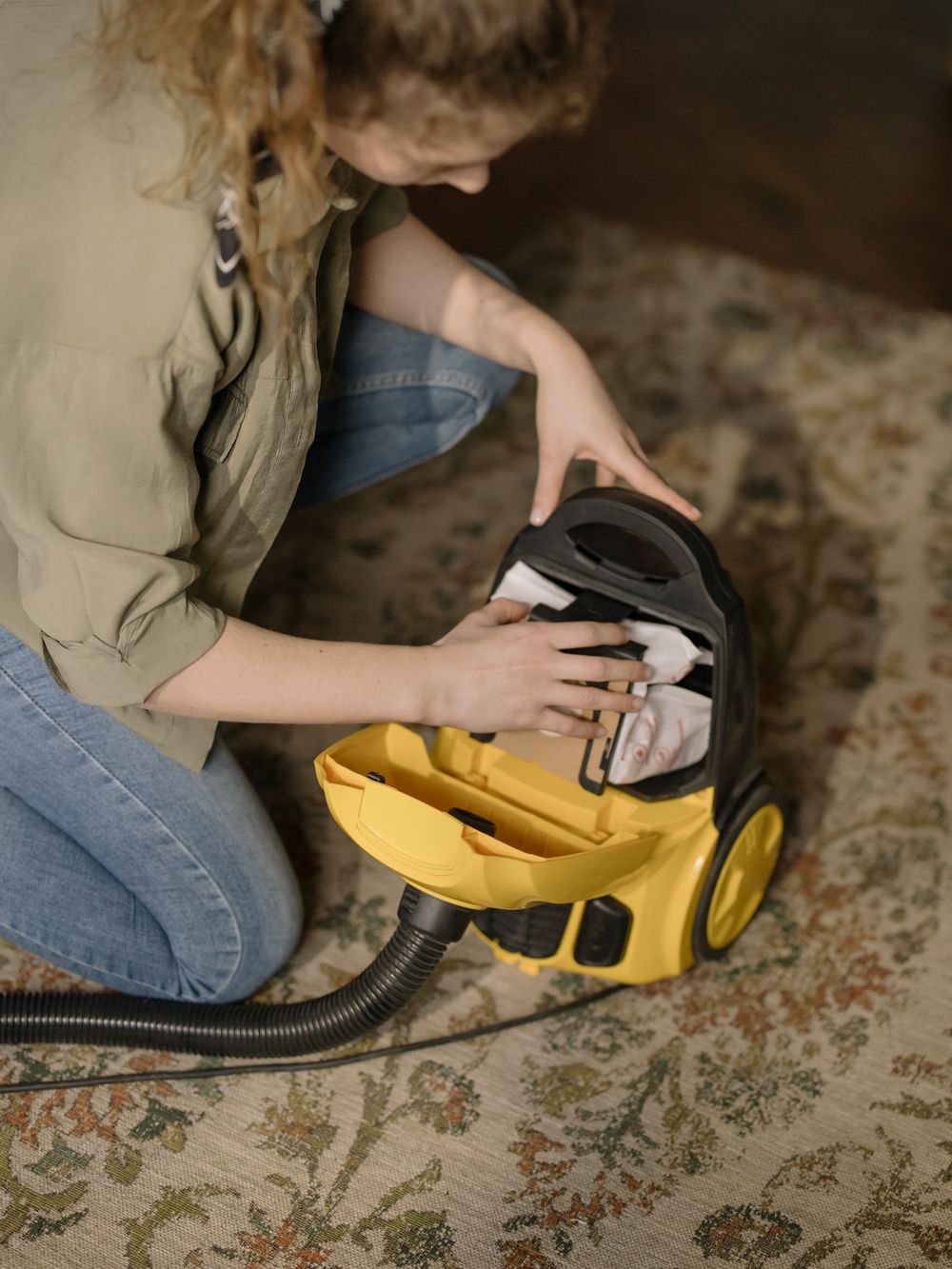
A good vacuum is the most important thing you can do for a carpet, and regular vacuuming really does extend its life. But a vacuum is designed to lift loose, dry dust from the surface. It cannot do much about what sinks deeper into the pile and the backing over time.
- Body oils and cooking residue are sticky. They bind to fibres, attract more dirt and cause the dull, grey look of high-traffic lanes.
- Fine grit works its way to the base of the pile. Each footstep grinds it against the fibres, which wears the carpet down faster than you would expect.
- Dust, pet dander and allergens settle deep in the carpet where ordinary vacuuming struggles to reach them.
- Spills and odours that were never fully removed stay in the fibres and can return on a damp day.
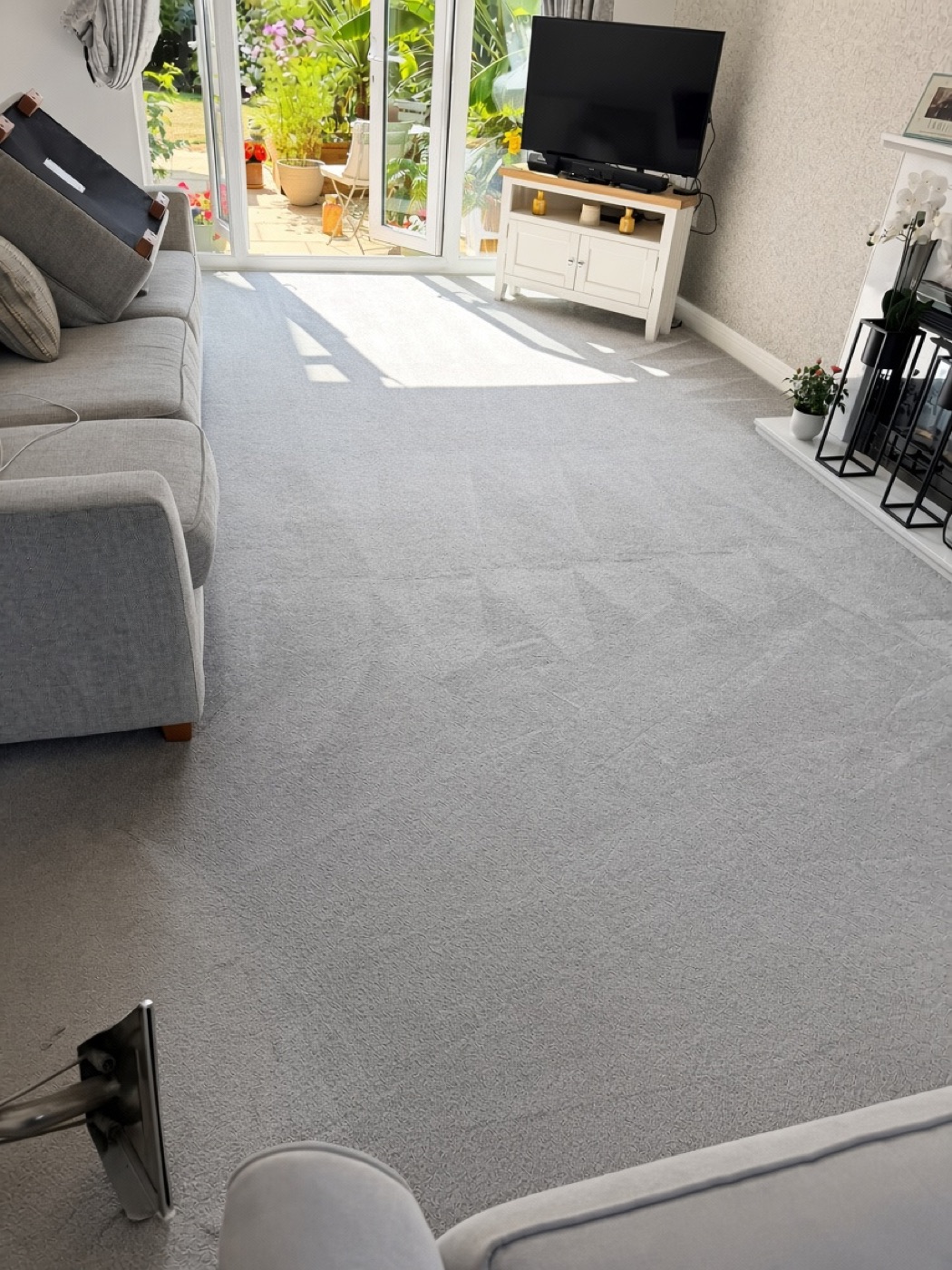
Hot-water extraction, often called steam cleaning, flushes all of this out with heat, water and powerful suction, which is why it is the method most carpet manufacturers and professional cleaners recommend for a periodic deep clean.
A simple cleaning schedule
- Every day or two: vacuum hallways, kitchens and any other high-traffic areas, especially if you wear shoes indoors or have pets.
- Once or twice a week: vacuum bedrooms, living rooms and stairs. Go slowly. Several slow passes pick up far more than one quick one.
- As soon as it happens: blot spills. Do not wait until the weekend.
- Every few months: move furniture and vacuum underneath and along the edges, where dust gathers unnoticed.
- Every 12 months: a professional hot-water extraction clean for a typical household.
- Every 6 months: for homes with pets, babies and toddlers, smokers, or anyone with dust or pet allergies.
What changes the answer
Pets
Hair, dander, muddy paws and the occasional accident all end up in the carpet. Pet households benefit from more frequent deep cleaning, and from treating accidents quickly so the odour does not become established.
Children
Crawling babies and playing children spend hours at carpet level. Spills, crumbs and sticky hands mean carpets in family homes get soiled faster than in adult-only households.
Allergies and asthma
If anyone in the home is sensitive to dust or allergens, a regular deep clean combined with frequent vacuuming can help keep the amount of dust in the carpet down. It will not replace medical advice, but it is a sensible part of keeping a home comfortable.
Shoes, entrances and light colours
Homes where shoes stay on, carpets close to the front door and pale colours all show soil sooner. Light carpets look dirty earlier, even though they are no more soiled than darker ones.
Rental and holiday properties
If you let a property, cleaning between tenancies protects your investment and keeps the next tenant happy. See our guide to the end of tenancy cleaning checklist.
Signs your carpets are overdue
- Dull, grey or matted lanes where people walk most often
- A musty or stale smell, especially in warm or damp weather
- A gritty feel underfoot, even after vacuuming
- Increased sneezing or itchy eyes indoors
- Visible stains, or spots that keep reappearing after cleaning
- It has been more than a year, or you have just finished building work or moved in
Looking after carpets between professional cleans
- Use doormats at every entrance, and consider a shoes-off rule. Most of the soil in a carpet is walked in.
- Blot, never rub, when you spot clean. Rubbing spreads the stain and damages the pile.
- Avoid over-wetting. Too much water or too much detergent can leave residue that attracts dirt, and carpet that stays damp for too long can develop a musty smell.
- Rotate furniture occasionally so one area does not take all the wear.
- Check the care instructions or warranty. Some carpet manufacturers expect periodic professional cleaning, so keep your paperwork.
What a professional clean involves
At Ecologics Cleaning we start with an inspection of the carpet and the problem areas, then vacuum thoroughly to lift loose soil. Eco-friendly pre-treatment loosens grease and ground-in dirt, before hot-water extraction flushes dirt and moisture out together. We finish by grooming the pile and using air movers to speed up drying, which is usually within 4 to 6 hours. Our products are non-toxic and pet-safe. You can read more about our carpet cleaning service.
How your carpet type affects the schedule
Not all carpets age in the same way, and what is right for one may be wrong for another.
- Wool is naturally resilient and hides dirt well, but it is sensitive to heat, strong alkaline cleaners and over-wetting. It benefits from gentle, regular care rather than aggressive cleaning.
- Synthetic carpets such as nylon and polyester are very common in homes. They are hard-wearing and generally easier to clean, although oily soil can cling to them.
- Loop pile carpets trap grit between the loops. Use suction only rather than a rotating brush, which can snag and pull the loops.
- Cut pile and saxony carpets show footprints and vacuum marks, which is purely cosmetic, but they can look grubby sooner in busy rooms.
- Pale or natural-coloured carpets show soiling earlier and usually need to be cleaned a little more often.
A room-by-room guide
- Hallways, stairs and landings: the busiest areas of the house. They take the most wear, so vacuum them most often and expect them to need a deep clean first.
- Living rooms: family life happens here. Spills, snacks, pets and visitors all add up.
- Bedrooms: less traffic, but dust, skin cells and mites collect, particularly around the bed. Worth including in your annual clean.
- Children's rooms and playrooms: play, spills and sticky fingers mean these often need attention sooner.
- Dining areas: food and drink accidents are common. Treat spills at once and plan on a deep clean at least once a year.
- Home offices: chair castors wear a path into the carpet. A mat under the chair helps.
When is the best time to book?
You can have carpets cleaned at any time of year, but some moments make more sense than others.
- Spring: after the winter months of mud and wet coats, and with windows open to help the carpet dry.
- Before guests or an event, such as Christmas, a party or a family gathering.
- After redecorating or building work, when dust and plaster settle into the pile.
- Before or after moving, when rooms are empty and everything is easier to reach.
- After a spill, a pet accident or a flood-type event, as soon as safely possible.
If you are planning to change the furniture layout, clean first, while the room is clear.
Common mistakes to avoid
- Cleaning only the visible stain. A freshly cleaned patch can look obviously cleaner than the carpet around it, which makes the rest look worse. Cleaning a whole area evenly gives a better result.
- Using too much product. More detergent does not mean a cleaner carpet. The extra residue attracts dirt.
- Over-wetting. Soaking the carpet can reach the underlay, slow drying and cause smells.
- Walking on it too soon. Shoes on damp carpet push dirt straight back in.
- Ignoring edges and stairs, where dirt collects and cleaners often rush.
- Leaving it too long. Soil that is allowed to build up for years is harder to remove completely.
The real cost of putting it off
Grit and soil wear the fibres down, and worn carpet cannot be restored. Regular cleaning is much cheaper than replacing carpet early, and it keeps rooms fresher in the meantime. It is also one of the easiest ways to make a room feel clean and cared for without redecorating.
Frequently asked questions
Can you steam clean carpets too often?
Done properly, a deep clean is not harmful, but there is no benefit in doing it more often than your home needs. The main risk is over-wetting, which is why a professional machine with strong suction is better than a light-duty rental.
Is a rental machine as good as a professional clean?
Rental machines can work for a small spot, but they generally have less power and heat, and it is easy to use too much water and leave detergent behind. That residue can make carpets get dirty faster.
How long should I wait before walking on a cleaned carpet?
You can usually walk on it carefully once the surface is touch-dry, but it is best to avoid shoes until it is fully dry. Our guide to how long carpet takes to dry explains what affects drying time.
Do carpets need cleaning if nobody wears shoes inside?
Less often, but still regularly. Dust, skin cells, pet hair and crumbs all end up in the carpet, whether or not shoes come indoors.
Will cleaning make my carpet wear out faster?
No. Cleaning carried out properly removes the abrasive grit that wears carpet down, so it generally helps carpet last longer. The risks come from over-wetting, harsh chemicals or the wrong method for the fibre.
What is the quickest way to freshen a carpet between cleans?
Vacuum slowly, open windows to let in fresh air, and deal with any odours at the source. If something smells, find out why rather than covering it up.
If you are not sure when your carpets were last cleaned, ask us for a free, no-obligation quote. We cover Bromsgrove, Birmingham and the wider West Midlands.
Book your eco steam clean
Free quotes · fully insured · non-toxic & pet-safe.